
Unlock the Secrets of Coffee Roasting at Aum

Coffee lovers often find themselves captivated by the rich aromas and flavors that a perfectly roasted bean can offer. At Aum, we believe that understanding the art of coffee roasting is essential for anyone who wants to elevate their coffee experience. In this blog post, we will explore the intricacies of coffee roasting, from the science behind it to practical tips for home roasting.
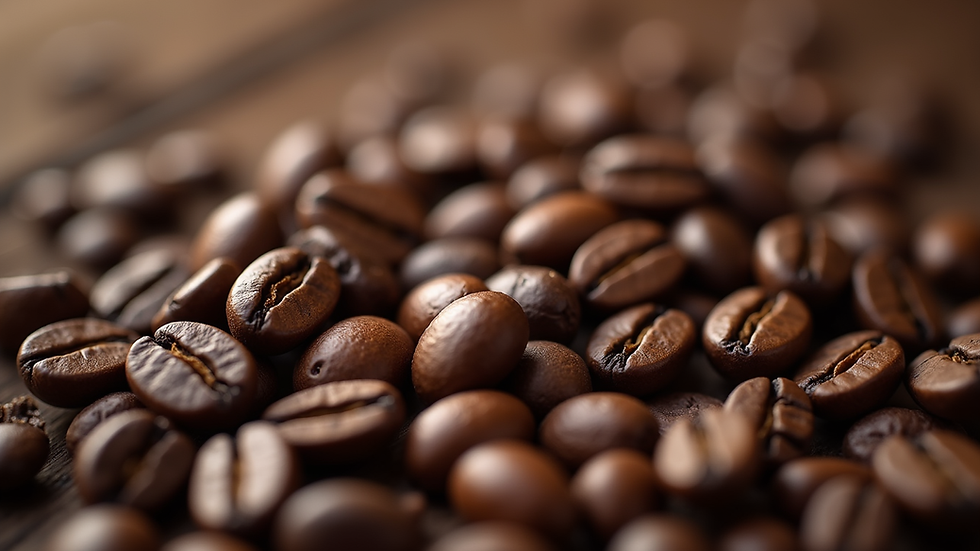
The Science of Coffee Roasting
Coffee roasting is not just a culinary art; it is a complex science that transforms green coffee beans into the aromatic, flavorful beans we love. The roasting process involves several key stages:
1. Drying Stage
During the initial phase, the moisture content of the green beans decreases. This stage typically lasts about 5 to 10 minutes. The beans begin to change color, transitioning from green to yellow as they lose moisture.
2. Maillard Reaction
As the temperature rises, the Maillard reaction occurs. This chemical reaction between amino acids and reducing sugars gives roasted coffee its complex flavors and aromas. The beans start to develop a brown color, indicating that they are moving toward the roasting stage.
3. First Crack
At around 385°F (196°C), the first crack occurs. This is a crucial moment in the roasting process, where the beans expand and release steam. The sound resembles popcorn popping and signifies that the beans are entering the light roast phase.
4. Development Stage
After the first crack, the beans continue to roast, and their flavors develop further. This stage can last anywhere from a few seconds to several minutes, depending on the desired roast level.
5. Second Crack
If roasting continues, the second crack occurs at around 435°F (224°C). This stage indicates a darker roast, where oils begin to surface on the beans, enhancing their flavor profile.
6. Cooling
Once the desired roast level is achieved, the beans must be cooled quickly to stop the roasting process. This can be done using a cooling tray or by spreading the beans on a baking sheet.
Choosing the Right Beans
The journey to perfect coffee roasting begins with selecting the right beans. Here are some factors to consider:
Origin
Coffee beans come from various regions, each offering unique flavor profiles. For example:
Ethiopian beans are known for their fruity and floral notes.
Colombian beans often have a balanced flavor with hints of caramel.
Sumatra beans are recognized for their earthy and full-bodied taste.
Varietal
Different coffee varietals can also impact flavor. Arabica beans are generally sweeter and more complex, while Robusta beans tend to be stronger and more bitter.
Processing Method
The way coffee beans are processed after harvesting can influence their taste. Common methods include:
Washed: Beans are fermented and washed, resulting in a cleaner flavor.
Natural: Beans are dried with the fruit still intact, leading to a fruitier profile.
Honey: A hybrid method that retains some fruit mucilage, offering a balance between washed and natural flavors.
The Art of Home Roasting
Roasting coffee at home can be a rewarding experience, allowing you to customize flavors to your liking. Here are some practical tips to get you started:
Equipment Needed
Coffee Roaster: While dedicated coffee roasters are available, you can also use a stovetop popcorn maker or an oven.
Thermometer: A thermometer helps monitor the temperature throughout the roasting process.
Cooling Tray: Essential for quickly cooling the beans after roasting.
Roasting Process
Measure Your Beans: Start with a small batch, about 1/2 cup of green coffee beans.
Preheat Your Roaster: If using an electric roaster, preheat it to the desired temperature.
Add Beans: Once preheated, add the green beans and start the timer.
Monitor Temperature: Keep an eye on the temperature and listen for the first crack.
Cool the Beans: Once the desired roast level is reached, cool the beans quickly to stop the roasting process.
Experiment with Roast Levels
Don’t be afraid to experiment with different roast levels. Keep notes on your roasting times and temperatures to refine your technique. You might find that you prefer a light roast for its bright acidity or a dark roast for its bold flavors.
Tasting and Enjoying Your Coffee
Once you have roasted your beans, it’s time to brew and enjoy your coffee. Here are some tips for tasting:
Brewing Methods
Different brewing methods can highlight various flavor notes in your coffee. Consider trying:
Pour-over: This method allows for precise control over brewing time and temperature, enhancing clarity in flavor.
French press: A full-bodied brew that captures the oils from the coffee, resulting in a rich taste.
Espresso: A concentrated shot that showcases the coffee's intensity.
Tasting Notes
When tasting your coffee, pay attention to the following aspects:
Aroma: The scent of the coffee can reveal a lot about its flavor profile.
Acidity: A bright acidity can add liveliness, while low acidity can create a smoother taste.
Body: This refers to the weight of the coffee on your palate. A full-bodied coffee feels heavier, while a light-bodied coffee feels lighter.
Flavor: Identify specific notes, such as fruity, nutty, or chocolatey.
Conclusion
Roasting coffee is an art and a science that can greatly enhance your coffee experience. By understanding the roasting process, selecting the right beans, and experimenting with home roasting, you can unlock a world of flavors. At Aum, we encourage you to explore the secrets of coffee roasting and find the perfect cup that suits your taste. Whether you are a seasoned coffee enthusiast or just starting your journey, the world of coffee roasting awaits you. Happy brewing!


Comments