
Essential Coffee Tasting Tips for Beginners

Coffee tasting, or cupping, is an art that can transform your appreciation for this beloved beverage. Whether you’re a casual drinker or an aspiring barista, understanding how to taste coffee can deepen your experience and help you discover new flavors. This guide will provide you with essential tips to get started on your coffee tasting journey.

Understanding Coffee Basics
Before diving into the tasting process, it's crucial to understand the basics of coffee. Here are some key elements to consider:
Coffee Beans
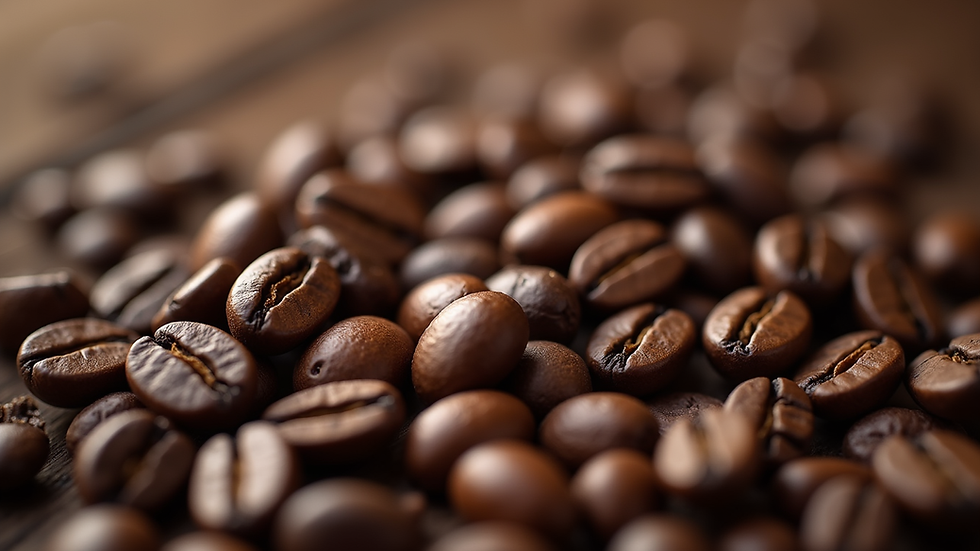
Coffee comes from the seeds of the Coffea plant, commonly known as coffee beans. There are two primary types of coffee beans:
Arabica: Known for its sweet, soft taste and higher acidity. Arabica beans are often considered superior in flavor.
Robusta: These beans have a stronger, harsher taste and contain more caffeine. They are often used in espresso blends.
Brewing Methods
The way coffee is brewed can significantly affect its flavor profile. Common brewing methods include:
Drip Coffee: A popular method that uses a coffee maker to brew coffee by dripping hot water over coffee grounds.
French Press: This method involves steeping coffee grounds in hot water before pressing down a plunger to separate the grounds from the liquid.
Espresso: A concentrated coffee brewed by forcing hot water through finely-ground coffee.
Flavor Profiles
Coffee can exhibit a wide range of flavors, influenced by factors such as origin, processing method, and roast level. Familiarizing yourself with common flavor notes can enhance your tasting experience. Some common flavor profiles include:
Fruity: Notes of berries, citrus, or stone fruits.
Nutty: Flavors reminiscent of almonds, hazelnuts, or peanuts.
Chocolatey: Rich, sweet flavors similar to dark chocolate or cocoa.
Preparing for a Coffee Tasting
To get the most out of your coffee tasting experience, preparation is key. Here’s how to set up your tasting session:
Gather Your Supplies
You will need the following items:
Coffee Beans: Choose a variety of beans from different origins or roasters.
Grinder: A burr grinder is recommended for a consistent grind size.
Brewing Equipment: Depending on your preferred method, gather your French press, pour-over, or espresso machine.
Tasting Cups: Use small cups to sample each coffee.
Water: Fresh, filtered water is essential for brewing.
Set the Scene
Create a comfortable environment for tasting. Consider the following:
Lighting: Natural light is ideal for observing the coffee's color.
Noise Level: A quiet space allows you to focus on the tasting experience.
Temperature: Ensure the room is at a comfortable temperature to avoid distractions.
The Coffee Tasting Process
Now that you’re prepared, it’s time to dive into the tasting process. Follow these steps for an effective tasting experience:
Step 1: Smell the Coffee
Start by smelling the coffee grounds. This step is crucial as aroma plays a significant role in flavor perception. Take a moment to inhale deeply and note the different scents. You might detect:
Fruity aromas
Earthy notes
Sweet or spicy hints
Step 2: Brew the Coffee
Brew your coffee using your chosen method. Pay attention to the brewing time and water temperature, as these factors can influence the final flavor. For example, a French press typically requires a steeping time of about four minutes.
Step 3: Observe the Color
Once brewed, observe the color of the coffee. A rich, dark color often indicates a bold flavor, while a lighter hue may suggest a milder taste. Take note of the clarity and brightness of the brew.
Step 4: Taste the Coffee
Now comes the most exciting part—tasting! Follow these guidelines:
Take a Small Sip: Allow the coffee to coat your palate.
Slurp: This technique helps aerate the coffee, enhancing the flavor experience.
Identify Flavors: As you taste, try to identify specific flavors. Are they fruity, nutty, or chocolatey?
Step 5: Reflect on the Experience
After tasting, take a moment to reflect on your experience. Consider the following questions:
What flavors stood out to you?
How did the coffee feel in your mouth (body, acidity)?
Would you drink this coffee again?
Exploring Different Coffee Origins
Coffee beans are grown in various regions around the world, each imparting unique flavors. Here are a few notable coffee origins to explore:
Ethiopian Coffee
Ethiopia is often considered the birthplace of coffee. Ethiopian coffees are known for their bright acidity and fruity notes, often featuring flavors like blueberry or jasmine.
Colombian Coffee
Colombian coffee is renowned for its smooth, well-balanced flavor. It typically has a medium body with notes of caramel and nuts.
Brazilian Coffee
Brazilian coffees are often characterized by their chocolatey and nutty flavors. They tend to have a lower acidity, making them a great choice for espresso blends.
Experimenting with Different Brewing Methods
To fully appreciate the nuances of coffee, experiment with various brewing methods. Each method can highlight different aspects of the coffee's flavor profile. Here are a few methods to try:
Pour-Over
The pour-over method allows for precise control over brewing time and water temperature. This method often results in a clean, bright cup of coffee.
AeroPress
The AeroPress is a versatile brewing device that can produce coffee with varying strengths and flavors. Experiment with different grind sizes and brewing times to find your perfect cup.
Cold Brew
Cold brew coffee is made by steeping coarsely ground coffee in cold water for an extended period. This method produces a smooth, less acidic coffee that can be enjoyed cold or hot.
Keeping a Coffee Tasting Journal
To track your tasting experiences, consider keeping a coffee tasting journal. This can help you remember your favorite coffees and refine your palate over time. Include the following details in your journal:
Coffee name and origin
Brewing method used
Flavor notes and aroma
Personal rating
Joining a Coffee Tasting Community
Engaging with other coffee enthusiasts can enhance your tasting journey. Look for local coffee tasting events or join online communities to share experiences and learn from others. Here are a few ways to connect:
Attend Coffee Workshops: Many local coffee shops offer workshops on brewing and tasting.
Join Coffee Clubs: Participate in clubs that focus on coffee tasting and exploration.
Follow Coffee Blogs and Podcasts: Stay updated on the latest trends and tips in the coffee world.
Conclusion
Coffee tasting is a rewarding experience that can deepen your appreciation for this beloved beverage. By understanding the basics, preparing thoughtfully, and engaging in the tasting process, you can discover a world of flavors waiting to be explored. Remember to keep an open mind and enjoy the journey. Happy tasting!

Comments