
Master Coffee Brewing Techniques at Aum Coffee School

Coffee is more than just a beverage; it’s an experience. For many, the perfect cup of coffee can transform a mundane morning into a delightful ritual. At Aum Coffee School, we believe that mastering coffee brewing techniques is essential for anyone who wants to elevate their coffee game. Whether you’re a novice or a seasoned barista, our comprehensive guide will help you refine your skills and deepen your appreciation for this beloved drink.

Understanding Coffee Beans
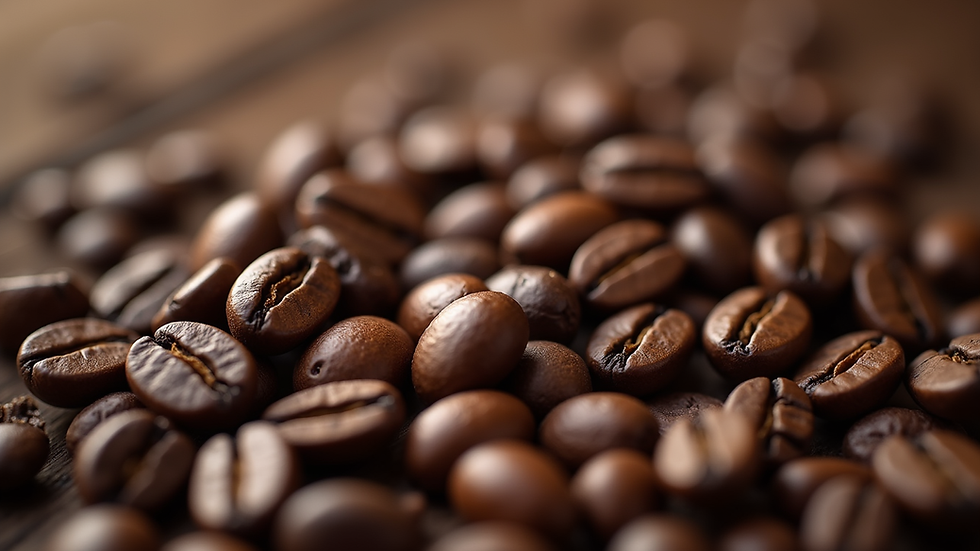
Before diving into brewing techniques, it’s crucial to understand the foundation of coffee: the beans. Coffee beans come from the coffee plant and are typically classified into two main types: Arabica and Robusta.
Arabica vs. Robusta
Arabica: Known for its smooth, mild flavor and aromatic qualities. Arabica beans are generally considered higher quality and are grown at higher altitudes.
Robusta: These beans have a stronger, harsher taste and contain more caffeine. They are often used in espresso blends for added body and crema.
Choosing the Right Beans
When selecting coffee beans, consider the following factors:
Origin: Different regions produce beans with unique flavor profiles. For example, Ethiopian coffees are often fruity and floral, while Colombian coffees tend to be nutty and chocolatey.
Roast Level: Light roasts preserve the beans' original flavors, while dark roasts offer a bolder, more robust taste. Experiment with different roast levels to find your preference.
Essential Brewing Equipment
To brew the perfect cup of coffee, you need the right equipment. Here are some essential tools you’ll need:
Coffee Grinder
A good grinder is crucial for achieving the right grind size, which affects extraction. Burr grinders are preferred over blade grinders for their consistency.
Brewing Methods
There are several popular brewing methods, each producing distinct flavors and characteristics. Here are a few to consider:
Pour-Over: This method allows for precise control over water flow and extraction time. Popular devices include the Hario V60 and Chemex.
French Press: Known for its full-bodied flavor, the French press steeps coffee grounds in hot water before pressing them down with a plunger.
Espresso Machine: For those who love espresso, investing in a quality machine can open up a world of coffee possibilities.
Mastering Brewing Techniques
Now that you have your beans and equipment, it’s time to master the brewing techniques. Here are some tips to help you brew like a pro:
The Perfect Water Temperature
Water temperature plays a significant role in extraction. The ideal range is between 195°F and 205°F (90°C to 96°C). Too hot, and you risk over-extraction; too cold, and you’ll under-extract.
Coffee-to-Water Ratio
Finding the right coffee-to-water ratio is essential for achieving the desired strength. A general guideline is:
Pour-Over: 1:15 (1 gram of coffee to 15 grams of water)
French Press: 1:12
Espresso: 1:2
Brewing Time
Different methods require varying brewing times:
Pour-Over: 2-4 minutes
French Press: 4 minutes
Espresso: 25-30 seconds
Experiment and Adjust
Don’t be afraid to experiment with different variables. Adjust the grind size, brewing time, and coffee-to-water ratio to find what works best for your taste buds.
Exploring Flavor Profiles
Understanding flavor profiles can enhance your coffee experience. Here are some common tasting notes to look for:
Fruity: Often found in lighter roasts, these coffees may have notes of berries, citrus, or stone fruits.
Nutty: Medium roasts often exhibit nutty flavors, reminiscent of almonds or hazelnuts.
Chocolatey: Darker roasts typically have rich chocolate notes, making them a favorite for many coffee lovers.
Advanced Brewing Techniques
Once you’ve mastered the basics, consider exploring advanced brewing techniques to further enhance your skills.
Cold Brew
Cold brew coffee is made by steeping coarsely ground coffee in cold water for an extended period (12-24 hours). This method produces a smooth, less acidic coffee that can be enjoyed over ice or mixed with milk.
Nitro Coffee
Nitro coffee is cold brew infused with nitrogen gas, giving it a creamy texture and a frothy head. You can achieve this at home with a nitro coffee maker or by using a whipped cream dispenser.
Siphon Brewing
Siphon brewing is a visually stunning method that uses vapor pressure to brew coffee. It requires a siphon coffee maker and can produce a clean, aromatic cup.
Coffee Tasting and Appreciation
To truly appreciate coffee, consider hosting a tasting session. Invite friends or fellow coffee enthusiasts to sample different brews and discuss their flavor profiles. Here’s how to set it up:
Select a Variety of Coffees: Choose beans from different regions and roast levels.
Prepare Tasting Cards: Provide cards for participants to jot down their tasting notes and preferences.
Brew Each Coffee: Use the same brewing method for consistency.
Discuss: Encourage open dialogue about the flavors and aromas experienced.
Conclusion
Mastering coffee brewing techniques is a rewarding journey that enhances your appreciation for this beloved beverage. At Aum Coffee School, we encourage you to explore, experiment, and enjoy every cup. Whether you’re brewing for yourself or sharing with friends, the skills you develop will elevate your coffee experience to new heights.
Now that you have the knowledge, it’s time to put it into practice. Gather your equipment, select your beans, and start brewing the perfect cup of coffee today!

Comments